


Main Beach
Tree removal in Main Beach
Tree removal, pruning and stump grinding in Main Beach, from the beachfront and the Spit to the reclaimed blocks beside the Nerang River.
Tree work in Main Beach
Young sand on the Spit, pumped sand by the river
Main Beach runs north along the Spit, a relatively recent sand formation that took shape after a sea entrance opened at the Jumpinpin bar in 1890. Trees there grow in deep, loose sand rather than clay or rock, so their roots spread wide and shallow, and an exposed one is worth checking for a shifting root plate after strong onshore wind.
On the river side, land reclamation next to the Nerang River was carried out by sand pumping in the late 1930s, and a major reclamation project, the Rankine estate, was marketed in 1957. Garden trees on that pumped ground keep their roots shallow and spread sideways through loose fill, which makes wind throw and lifted paving more likely.
Services in Main Beach
Loose sand, made ground and the dune line
Tree removal
Brought down piece by piece on beachfront and river blocks, clear of the listed pines and the dune.
Tree pruning
Crowns thinned on river-side blocks, where shallow roots in pumped sand make a heavy canopy a wind risk.
Stump grinding
Stumps in loose sand ground out, then the hole filled back in.
What it costs: tree removal cost, stump grinding cost, palm removal cost
Compared: removal, lopping or pruning, stump grinding or stump removal, council tree rules compared
How it works
Four steps, and the permit comes before the price
Nothing happens without a written quote you have agreed to.
- 1
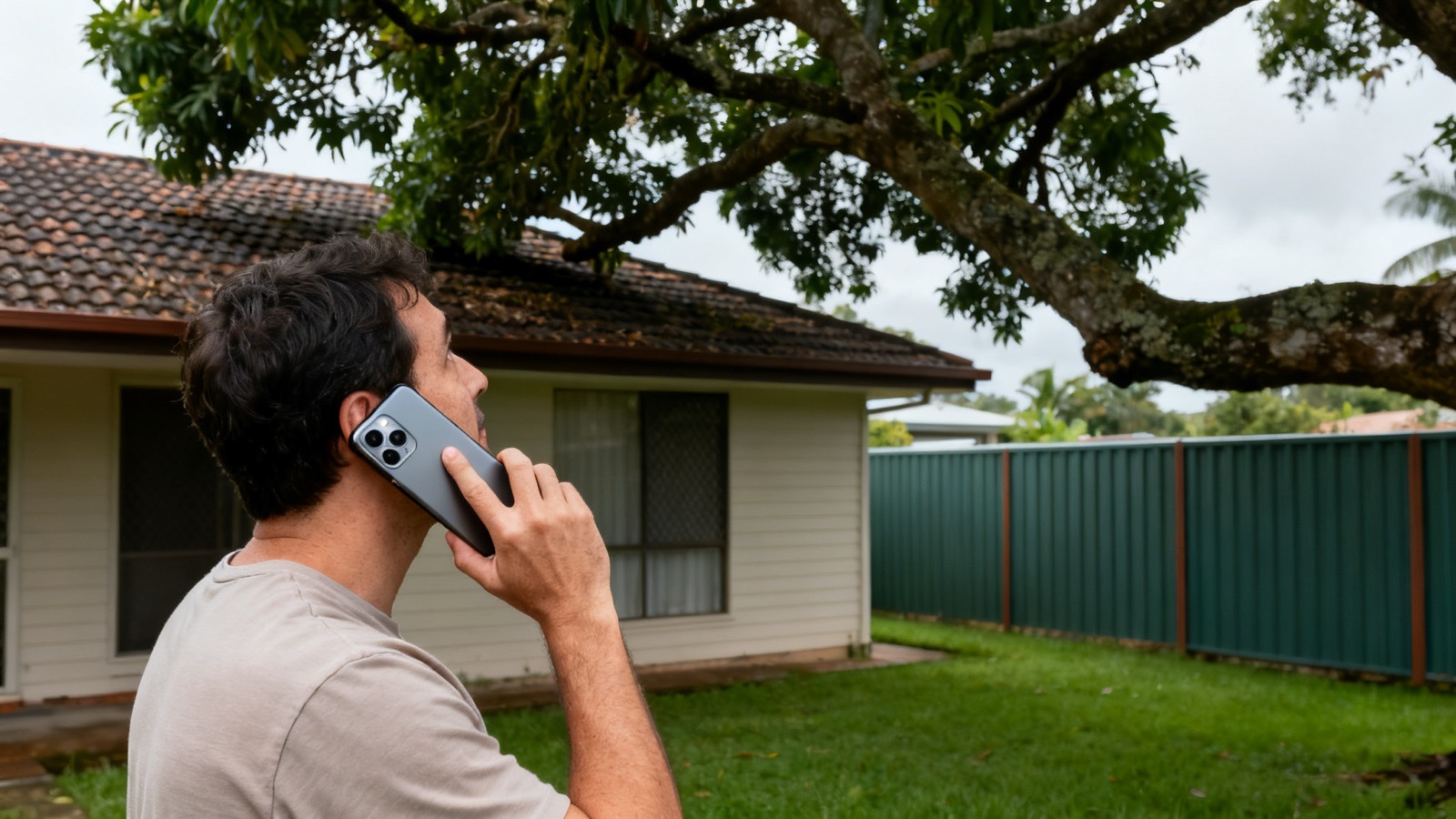
Call or send the form
Include the suburb, your details and what needs to be done.
- 2
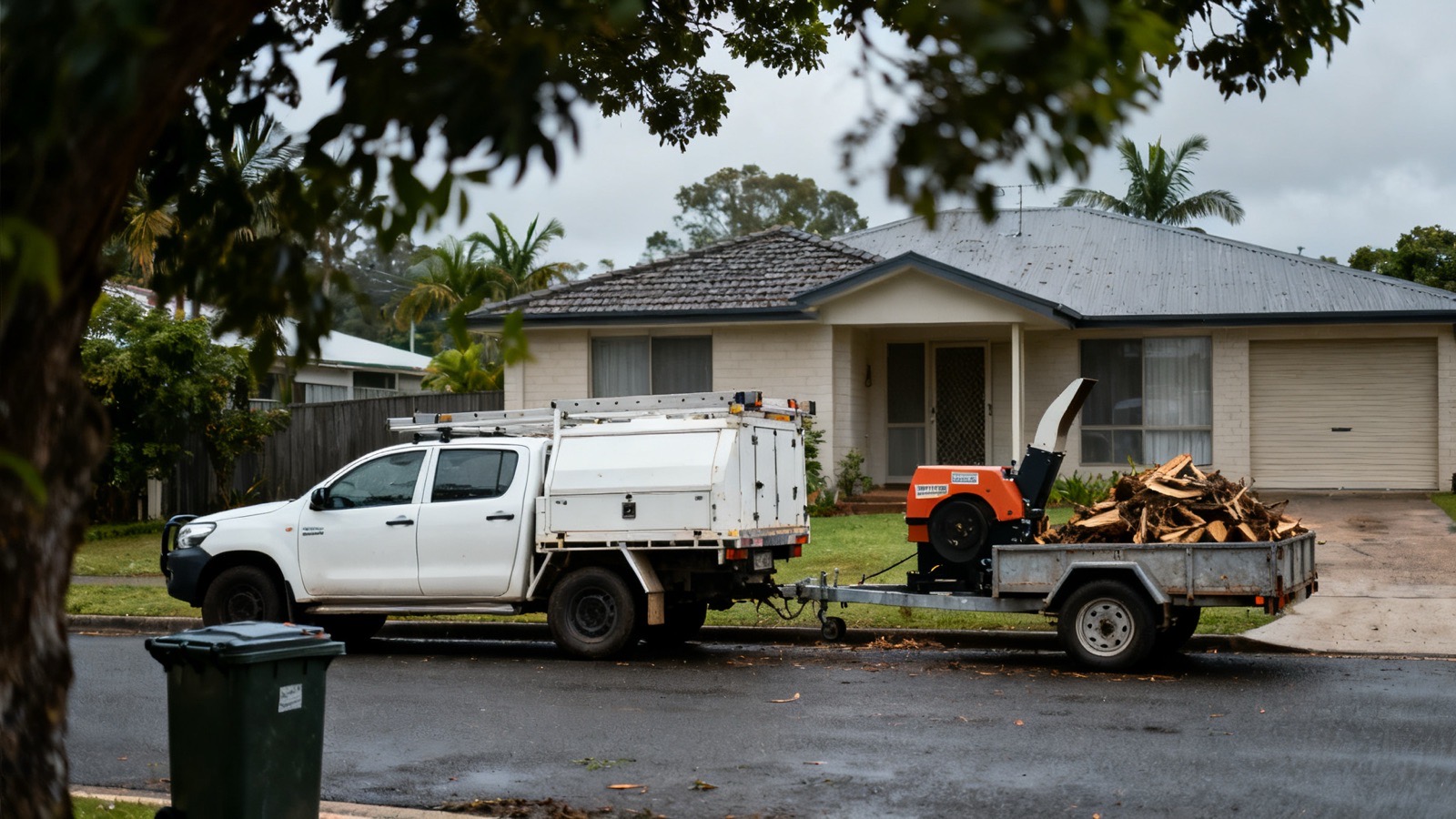
A contractor comes to see it
On site, not off a photo, because access and what sits underneath change the job.
- 3
The permit position is checked
Against the city's vegetation mapping and the koala controls, before a price is given.

- 4
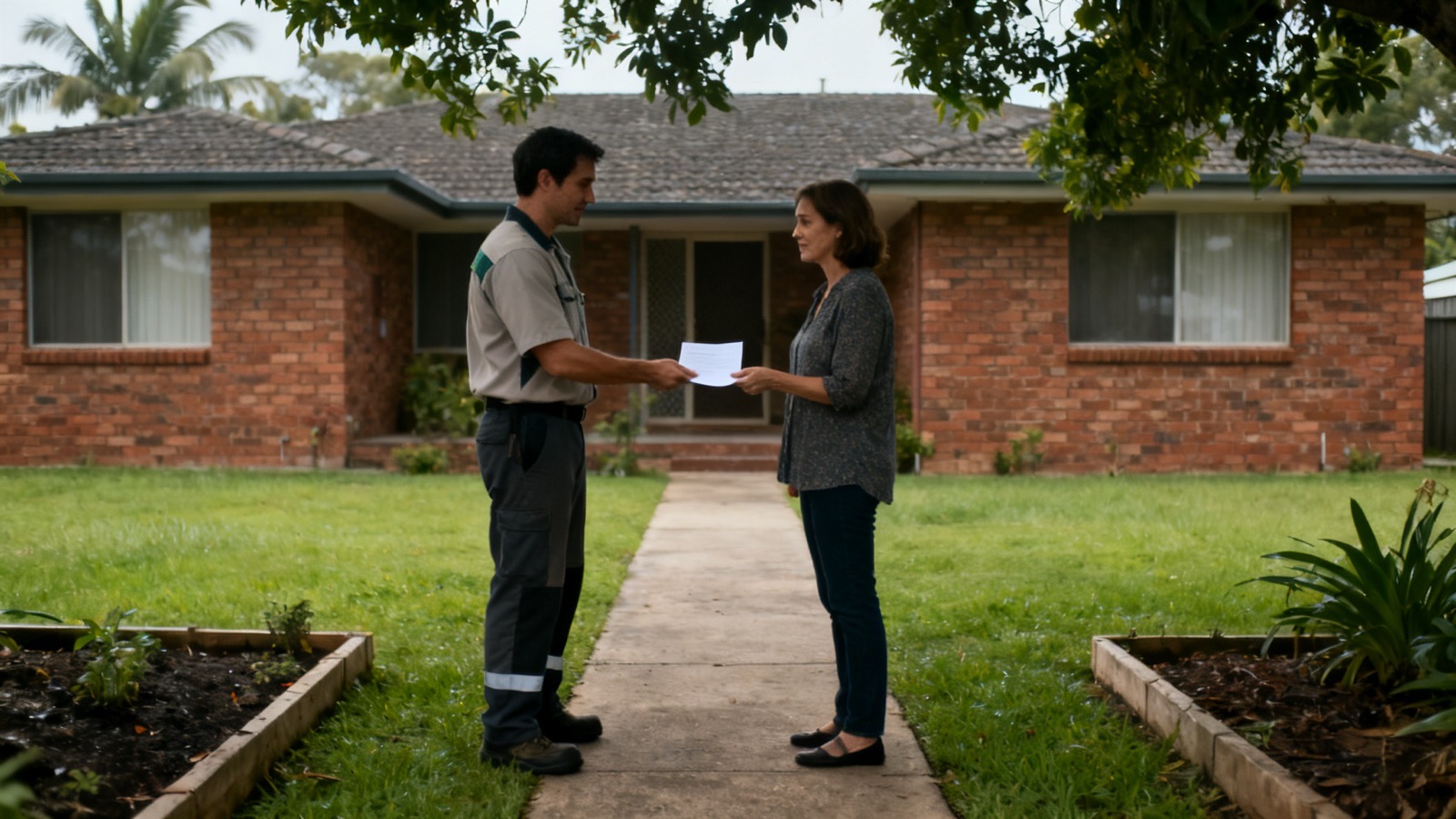
Quoted in writing
The quote sets out the scope, the timber, the stump and the date. Then a date is booked.



Main Beach questions
Listed pines, a rainforest replanting and Cyclone Alfred
Can the pines south of the surf club be pruned?
Not as an ordinary job. The Queensland Heritage Register entry for the Main Beach Pavilion and Southport Surf Lifesaving Club says the listing boundary includes the two buildings with associated plantings and a group of Norfolk Island Pines to the south of the Surf Lifesaving Club. Pruning, lopping or root work inside that boundary is cleared with the state's heritage authority before it starts.
Who looks after the trees in Federation Walk?
The City does. Federation Walk Coastal Reserve on the Spit is being planted with about 350,000 coastal (littoral) rainforest plants across 37 hectares, to enlarge an ecosystem the federal government lists as critically endangered. Prunings and garden waste from homes nearby go to a green waste facility, never over the reserve edge.
What happens to beachfront trees when a cyclone strips the sand?
Their roots can be left exposed. During Tropical Cyclone Alfred in March 2025, erosion exposed the buried seawall at Hollindale Park, and the City then replenished the sand, reburied the seawall and revegetated the dunes. After a cyclone or an east coast low, a tree near the dune line is checked for undermined roots and a new lean before it is left standing, and one on the foreshore reserve is the City's to deal with.
